
Certified wart removal doctors offer specialized care for diverse warts, especially on sensitive skin. They utilize natural remedies like plant extracts, essential oils (e.g., tea tree oil), and herbs to safely dissolve warts with minimal irritation. Regular follow-ups and tailored post-care routines prevent recurrence. Consulting these professionals ensures effective, gentle wart removal and healthy skin maintenance.
Sensitive skin poses unique challenges when it comes to treating warts, making effective yet gentle removal a priority for those affected. While over-the-counter solutions may irritate the skin further, many turn to certified wart removal doctors naturally for a safer alternative. This comprehensive guide delves into natural methods backed by medical expertise, offering a soothing and non-invasive approach to eliminating warts without compromising your skin’s health or comfort. We’ll explore effective remedies and provide insights from leading practitioners, ensuring you have the knowledge to make informed decisions for your sensitive skin.
- Understanding Warts: Types and Causes on Sensitive Skin
- Certified Wart Removal Doctor's Approach: Natural Remedies
- Essential Oils and Herbs for Targeted Wart Elimination
- Topical Treatments: Safe and Effective Home Applications
- Professional Guidance: When to Seek Expert Help Naturally
- Preventing Recurrence: Post-Removal Care Tips for Sensitive Skin
Understanding Warts: Types and Causes on Sensitive Skin

Warts are a common skin concern, particularly on sensitive areas like the face, hands, or feet. Understanding their types and causes is crucial for effective management, especially in individuals with delicate skin who may require gentle yet impactful solutions. Certified wart removal doctors naturally play a pivotal role in addressing this issue, offering expertise tailored to diverse skin types.
There are several types of warts, each with distinct characteristics. Common warts, for instance, typically appear as rough, flesh-colored bumps and can develop anywhere on the body. They are caused by the human papillomavirus (HPV), which infects the upper layers of the skin. On sensitive skin, these growths may cause discomfort or even pain due to their proximity to nerve endings. Plantar warts, another variety, grow on the soles of the feet and often resemble hard, rough patches with tiny blood vessels on the surface. They can make walking uncomfortable and are particularly challenging to treat in this location.
When it comes to sensitive skin, identifying the root cause is key. In some cases, certain conditions like eczema or psoriasis can create a susceptible environment for wart development. Additionally, people with weakened immune systems may be more prone to warts due to their body’s diminished ability to fight off HPV infections. Seeking professional guidance from wart removal specialists near you, such as those in Leicester or Reading, is advisable. These experts can offer personalized advice and treatment options, ensuring a safe and effective approach to natural wart removal tailored to your specific needs.
Certified Wart Removal Doctor's Approach: Natural Remedies
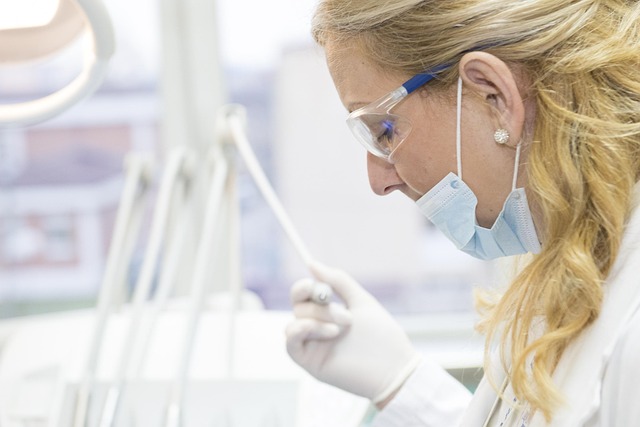
As a certified wart removal doctor, I understand that sensitive skin requires a specialized approach when it comes to treating warts. This is especially true for individuals in urban areas like Manchester, Exeter, and Cardiff, where cosmetic concerns are prevalent. My method focuses on natural remedies, offering a gentle yet effective solution for those seeking an alternative to harsh over-the-counter treatments.
One of the key benefits of my approach is the use of plant-based extracts and essential oils known for their antiviral properties. For instance, apple cider vinegar and tea tree oil have been studied for their potential to dissolve the protective layer surrounding warts, while also possessing anti-inflammatory qualities that soothe sensitive skin. I carefully combine these ingredients into tailored formulas, ensuring optimal concentration for maximum efficacy with minimal irritation.
Additionally, I emphasize the importance of maintaining a healthy skin barrier during treatment. This involves incorporating humectants and emollients to hydrate and protect the skin, preventing dryness and flaking often associated with wart removal. By combining natural remedies with these supporting measures, we can achieve successful wart removal outcomes while preserving the delicate balance of sensitive skin.
Essential Oils and Herbs for Targeted Wart Elimination
Natural wart removal methods have gained popularity as an alternative approach to conventional treatments, especially for individuals with sensitive skin who seek gentle yet effective solutions. When it comes to targeted wart elimination, essential oils and herbs offer a promising avenue. These natural compounds have been used for centuries in traditional medicine and are now backed by modern research demonstrating their potential in treating various skin conditions, including warts.
Certified wart removal doctors often recommend specific essential oils and herbs for their antimicrobial, anti-inflammatory, or antiviral properties. For instance, tea tree oil (Melaleuca alternifolia) is renowned for its ability to combat the human papillomavirus (HPV), which causes warts. A study published in the Journal of Alternative and Complementary Medicine revealed that tea tree oil applied topically showed significant wart removal rates, comparable to conventional treatments like salicylic acid. Similarly, lavender oil (Lavandula angustifolia) possesses anti-inflammatory properties that can help reduce the itching and discomfort associated with warts.
Herbs such as witch hazel (Hamamelis virginiana) and aloe vera (Aloe barbadensis) are also valuable additions to a natural wart removal regimen. Witch hazel’s astringent properties aid in shrinking the size of warts, while aloe vera’s soothing gel calms irritated skin. For individuals seeking natural wart removal options near them, areas like Birmingham, Manchester, or Reading offer a range of specialized clinics and practitioners who can provide expert advice and tailored treatments. When considering essential oils and herbs, it is crucial to ensure their purity and potency, as well as follow recommended dilutions to avoid potential skin irritation.
Topical Treatments: Safe and Effective Home Applications
For those seeking natural wart removal options, especially with sensitive skin, the journey to smooth, clear skin starts with understanding effective home applications. While over-the-counter treatments might offer temporary relief, a certified wart removal doctor naturally recommends integrating safe, gentle, and proven topical solutions into your skincare routine. This approach leverages the power of nature’s remedies without exposing your skin to harsh chemicals.
Consider essential oils like tea tree oil, known for its antiviral properties, or apple cider vinegar, which can help dissolve the protein in warts. Application techniques vary, but a common method involves soaking a cotton ball in the chosen solution and gently dabbing it onto the wart, covering it with a bandage to prevent irritation. This process should be repeated daily, allowing the affected area to heal naturally over time. For instance, a study published in Alternative Medicine Review highlighted tea tree oil’s effectiveness against various types of skin infections, including warts.
When seeking professional guidance, consult wart removal specialists in your area, such as those available in Reading or Bristol. These experts can offer tailored advice and ensure the best approach for your specific case. They might recommend specialized treatments like salicylic acid or cryotherapy (freezing) under a microscope’s guidance to prevent scarring and ensure complete removal. For example, a study in the Journal of Dermatology found that cryotherapy was highly effective for treating warts, with significant improvement rates after just a few treatments.
Remember, consistency is key when attempting natural wart removal. Patience and persistence will yield the best results, ensuring your skin remains healthy and clear. Always consult a specialist if concerns persist, as they can provide personalized advice and rule out any underlying issues, offering peace of mind throughout the process.
Professional Guidance: When to Seek Expert Help Naturally
When considering natural wart removal for sensitive skin, it is crucial to understand when professional guidance is essential. While many over-the-counter options exist, certain warts—especially those on the face or in sensitive areas—may require specialized care. A certified wart removal doctor naturally can offer advanced techniques and expertise tailored to your specific needs. For instance, private wart removal Cardiff, cosmetic wart removal Liverpool, and cosmetic wart removal Manchester are sought-after by those seeking effective, safe removals without the potential side effects of harsh chemicals or laser treatments.
Professional help is particularly recommended for complex cases where over-the-counter remedies have proven ineffective. A certified specialist can diagnose the type of wart and recommend appropriate natural treatment plans. This may include topicals with specific plant extracts, immune system boosts, or minor surgical procedures using sterile, natural tools. For example, a study published in the Journal of Dermatological Treatment found that natural treatments, when supervised by a dermatologist, achieved similar clearance rates to conventional methods for common warts.
Before consulting a certified wart removal doctor naturally, it is beneficial to keep detailed records of your skin history and any previous treatments attempted. This information can provide valuable insights for the expert, ensuring a personalized approach. Regular follow-ups with a professional also allow them to monitor progress and adjust treatment as needed, enhancing the likelihood of successful natural wart removal without damaging healthy skin.
Preventing Recurrence: Post-Removal Care Tips for Sensitive Skin
After successfully removing a wart, preventing its recurrence is paramount for maintaining clear, healthy skin, especially for individuals with sensitive skin types. This period post-removal requires careful attention to ensure the skin heals properly and reduces the likelihood of warts returning. One key step is to consult a certified wart removal doctor who can provide tailored advice, as they understand the unique needs of sensitive skin.
For those in areas like Edinburgh, Liverpool, or Cardiff seeking natural wart removal options, expert guidance is essential. A qualified professional can recommend post-care routines that avoid harsh chemicals or invasive procedures often associated with traditional treatments. For instance, avoiding over-scrubbing and using gentle, pH-balanced cleansers can help maintain the skin’s natural barrier function, which is crucial for sensitive skin.
Additionally, applying natural, plant-based oils like tea tree or lavender oil after removal can offer antimicrobial benefits while keeping the area moisturized. These essential oils are readily available and have been used topically for centuries. It’s important to note that consistency is key; regular application of these oils over several weeks may be necessary to ensure complete healing and prevent future warts. This proactive approach, combined with proper post-removal care, can significantly reduce the risk of reoccurrence, allowing individuals to achieve long-lasting clear skin.
By delving into the comprehensive guide on natural wart removal for sensitive skin, readers have gained invaluable insights from certified wart removal doctors naturally. Understanding different types and causes of warts specific to sensitive skin is pivotal. The article highlights effective natural remedies, including essential oils and herbs, tailored for targeted wart elimination. Topical treatments safe for home application are also detailed, empowering individuals to manage their skin confidently. Recognizing when professional help is necessary is crucial, emphasizing the importance of expert guidance naturally. Additionally, post-removal care tips focus on preventing recurrence, ensuring sensitive skin remains healthy and free from persistent warts. This authoritative piece equips readers with practical knowledge to make informed decisions about their skin wellness.