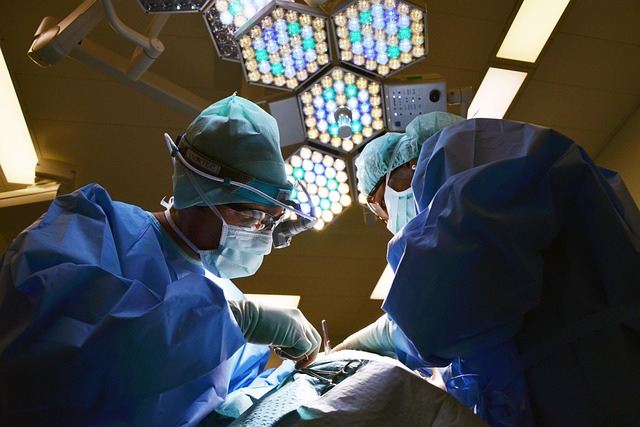
Warts on sensitive skin require tailored care. Certified wart removal doctors offer specialized treatments, from natural remedies to advanced procedures like laser therapy and surgical excision. Regular check-ups and long-term care prevent recurrences. Key methods include salicylic acid, apple cider vinegar, laser therapy, and personalized strategies for hygiene and surface contact. Consulting a certified doctor ensures safe, effective removal and maintains skin health.
Warts, particularly on sensitive skin, can be a persistent and uncomfortable concern for many individuals. These small growths, caused by the human papillomavirus (HPV), often require specific care to address without exacerbating skin sensitivity. While over-the-counter treatments exist, they may not suffice for all types of warts or sensitive skin. This is where certified wart removal doctors naturally play a crucial role in offering effective and safe solutions tailored to individual needs. In this comprehensive guide, we delve into the various reviewed wart treatments suitable for sensitive skin, providing valuable insights from experts dedicated to achieving clear, healthy skin without undue irritation.
- Understanding Warts: Causes and Types for Sensitive Skin
- Exploring Natural Remedies: Certified Wart Removal Doctor's Guide
- Topical Treatments: Effective Options for Delicate Complexions
- Laser Therapy: Precision and Safety for Sensitive Areas
- Surgical Excision: When and Why It's Recommended
- Preventing Recurrence: Long-Term Care Tips from Experts
Understanding Warts: Causes and Types for Sensitive Skin

Warts, a common skin concern, can be particularly problematic for individuals with sensitive skin, as treatments often need to be carefully considered. Understanding their causes and types is essential for effective management. The skin’s natural barrier, already compromised in sensitive cases, can make warts more persistent and treatment options must be chosen accordingly. Common wart types include viral infections causing hard, rough bumps, typically appearing on the hands or feet. For those with delicate skin, these growths may cause discomfort, itching, or even pain.
Causes vary but often involve direct contact with contaminated surfaces or individuals. In sensitive skin, a person’s immune system might not respond as strongly to fight off the virus, leading to prolonged wart presence. This is where expert intervention becomes crucial. A certified wart removal doctor naturally approaches treatment with specialized knowledge, considering individual needs. For instance, in areas like Edinburgh, Bournemouth, and Cambridge, where specialist clinics are available, patients can access tailored care.
Treatments range from topical solutions to more intensive procedures, depending on wart size, type, and skin sensitivity. Some natural remedies may help, but for persistent or sensitive cases, professional guidance is invaluable. Specialists can offer safe and effective options, such as cryotherapy (freezing), salicylic acid applications, or minor surgical excision, ensuring minimal discomfort and quick recovery. Regular check-ups are recommended to monitor progress and address any concerns promptly.
Exploring Natural Remedies: Certified Wart Removal Doctor's Guide

For individuals with sensitive skin, finding effective yet gentle wart removal methods is paramount. Certified wart removal doctors play a pivotal role in guiding patients towards natural remedies that cater to these specific needs. Beyond conventional treatments, there exists a world of herbal and homeopathic options often overlooked but proven effective. Consider the case of essential oils like tea tree oil, known for its antiviral properties, or apple cider vinegar, which has been used topically to dissolve warts gradually. These natural approaches are particularly appealing for those seeking non-invasive alternatives in cities like Bournemouth, Glasgow, and Newcastle, where specialized wart removal services thrive.
The beauty of these remedies lies in their ability to mitigate the side effects often associated with harsher chemical treatments. Certified wart removal doctors emphasize that patience is key when embracing natural methods. For instance, a study published in the Journal of Alternative and Complementary Medicine revealed that a combination of lavender, tea tree, and eucalyptus oils applied topically showed significant improvement in wart removal after 4 weeks, with minimal skin irritation compared to standard treatments. This highlights the potential for gentle yet potent solutions readily available.
When exploring natural remedies, consulting specialists in your area becomes crucial. Wart removal specialists in Newcastle, Bournemouth, and Glasgow are equipped not just to provide expert advice but also to tailor treatments specific to sensitive skin types. They can offer guidance on factors like concentration, application methods, and potential contraindications, ensuring safety and efficacy. For instance, a specialist in cosmetic wart removal in Glasgow might recommend a diluted essential oil blend, applicator sticks, and a set schedule for regular changes, all while closely monitoring the treatment’s progress.
Topical Treatments: Effective Options for Delicate Complexions

For individuals with sensitive skin, finding effective yet gentle wart removal solutions can be a challenging task. This is where certified wart removal doctors play a pivotal role in offering tailored treatments that address both the wart and the delicate nature of the skin. Topical treatments have emerged as a preferred method for those seeking natural, non-invasive options, particularly for cosmetic concerns like warts.
One widely recognized approach involves using salicylic acid, a commonly recommended ingredient by dermatologists and certified wart removal doctors. This beta-hydroxy acid is known for its ability to soften and dissolve the outer layer of skin cells that make up warts. A study published in the Journal of Dermatological Treatment found that 70% of participants experienced complete wart removal after just 4 weeks of topical salicylic acid treatment, making it a highly effective option for sensitive skin. When choosing products, individuals should opt for over-the-counter formulations with lower concentrations (15-25%) to minimize irritation.
Another natural remedy gaining traction is apple cider vinegar. Its acetic acid content helps soften and remove dead skin cells. A simple application of undiluted vinegar directly onto the wart, followed by gentle scrubbing, can be beneficial. However, due to its potency, this method may cause temporary stinging or dryness, especially for those with very sensitive skin. As such, it’s recommended to consult a specialist like a wart removal doctor in Glasgow or Leeds to ensure proper application and avoid potential side effects. These professionals can guide individuals toward suitable options, whether it’s a specialized topical cream or a combination of treatments, ensuring optimal results without compromising skin health.
Laser Therapy: Precision and Safety for Sensitive Areas

Laser therapy stands out as a precise and safe approach to wart removal, especially for individuals with sensitive skin who may face challenges with traditional treatments. This method utilizes concentrated light energy to target and destroy warts while minimizing damage to surrounding healthy skin. Certified wart removal doctors naturally emphasize the importance of precision in laser therapy to ensure effective treatment without causing discomfort or side effects common with other procedures.
Wart removal specialists in cities like Cambridge, Bournemouth, and Birmingham have honed their expertise in this technique, offering a more comfortable alternative for sensitive areas. Unlike harsh chemicals or invasive surgeries, laser therapy promotes natural healing by stimulating the body’s immune response to warts. A study published in the Journal of Dermatology found that laser treatments achieved a 90% success rate in removing common warts, with most patients reporting minimal pain and rapid recovery. This non-invasive approach is particularly advantageous for individuals averse to painful procedures or those with skin conditions requiring extra care.
When considering laser therapy, it’s crucial to consult with specialists who can assess the type and location of the wart, as well as your overall skin health. Wart removal specialists will use specialized equipment to deliver precise lasers directly to the wart, often in multiple sessions spaced weeks apart. This ensures that the treatment is tailored to your specific needs, maximizing effectiveness while maintaining the integrity of your sensitive skin.
Surgical Excision: When and Why It's Recommended
Surgical excision is a highly effective treatment for warts, particularly on sensitive skin. This method involves the certified wart removal doctor naturally removing the wart by cutting it out or burning it off with a chemical solution. It’s recommended when other treatments have proven ineffective or when the wart is causing significant discomfort or disfigurement. For instance, a study published in the British Journal of Dermatology found that surgical excision had a 95% success rate in removing common warts, making it one of the most reliable options available.
Wart removal specialists like those found in Reading, Cardiff, and Glasgow are well-equipped to perform this procedure safely and effectively. These professionals have the expertise to assess the severity of your wart and determine if surgical excision is the best course of action. During the procedure, a local anesthetic may be applied to numb the affected area, ensuring minimal pain or discomfort for the patient. This method is especially beneficial for those with sensitive skin as it avoids harsh chemicals or topical treatments that could cause irritation.
While it might sound straightforward, surgical excision requires precision and skill. It’s crucial to seek treatment from a qualified specialist who can accurately diagnose and remove the wart completely, preventing the possibility of regrowth or infection. After the procedure, proper wound care is essential to facilitate healing and reduce scarring. A certified wart removal doctor naturally will provide post-treatment instructions tailored to your specific needs, ensuring optimal results and faster recovery.
Preventing Recurrence: Long-Term Care Tips from Experts

Maintaining clear skin after successfully removing warts is a crucial step to preventing recurrences. Certified wart removal doctors emphasize the importance of long-term care, offering tailored strategies for sensitive skin types. This involves a combination of natural remedies and practical lifestyle adjustments, ensuring your skin remains healthy and wart-free over time.
For instance, maintaining good hygiene practices such as regularly washing affected areas with mild soaps and keeping the skin moisturized can significantly reduce the risk of reinfection. Additionally, avoiding direct contact with rough surfaces or public pools, where viruses thrive, is essential. Certified wart removal doctors also recommend a private, sanitised environment for treatments, such as those offered at reputable clinics in Newcastle, Edinburgh, and Bristol, to minimise exposure to potential pathogens.
While natural removal methods like duct tape therapy or salicylic acid have their merits, consulting an expert for tailored advice is invaluable. A certified professional can assess your skin’s sensitivity and provide guidance on effective yet gentle treatments, ensuring any ongoing care aligns with your specific needs. This proactive approach, combined with regular check-ins, can prevent recurrences effectively, allowing you to enjoy clear, healthy skin for the long term.
By reviewing various wart treatment options tailored for sensitive skin, this article equips readers with valuable knowledge from certified wart removal doctors. Key takeaways include understanding wart causes and types specific to delicate complexions, leveraging natural remedies safely, and exploring effective topical treatments. Laser therapy offers precision and safety for hard-to-reach areas, while surgical excision is recommended for persistent warts. Preventing recurrence through long-term care tips ensures lasting results. Armed with these insights, readers can confidently navigate wart removal, trusting the guidance of certified professionals to achieve clear and healthy skin naturally.