Warts vary by type and location, with over-the-counter (OTC) treatments like cryotherapy and topical meds achieving a 70% resolution rate within 12 weeks. For persistent cases, in-clinic options such as laser therapy or surgical excision are recommended. Certified wart removal doctors naturally offer tailored, effective care with minimal discomfort for diverse skin types and wart varieties. OTC treatments like salicylic acid and podophyllotoxin are affordable alternatives, but require patience and proper application techniques. Post-removal care includes keeping the area clean, protected, and supporting immune health to prevent recurrence. Regular check-ups with a certified wart removal doctor naturally ensure optimal outcomes.
Warts can be an unsightly and sometimes painful nuisance, affecting people of all ages. This year, turn to safe and effective over-the-counter solutions for relief from these skin growths. While many products promise results, not all are created equal. As trusted authority on dermatological care, we’ve scoured the market to identify the best wart removal options available in 2023. Leveraging the expertise of certified wart removal doctors naturally, this guide equips you with the knowledge to select a proven, reliable product for lasting wart relief.
- Understanding Warts: Causes and Types to Identify
- Exploring Natural Remedies for Wart Removal at Home
- The Role of Certified Wart Removal Doctor Naturally
- Top Over-the-Counter Treatments: Efficacy and Safety
- Step-by-Step Guide: Applying and Monitoring Wart Removals
- Preventing Recurrence: Post-Treatment Care Tips
Understanding Warts: Causes and Types to Identify
Warts are common skin growths caused by the human papillomavirus (HPV). They can appear anywhere on the body but most frequently show up on the hands, feet, and face. Understanding the causes and types of warts is crucial in selecting the best over-the-counter removal methods or identifying when to seek professional help.
There are several types of warts, each with unique characteristics. Common warts, also known as verrucae vulgaris, are rough, raised bumps that often appear on the backs of hands and fingers. Plantar warts, found on the soles of feet, can cause discomfort and pain due to their location. Flat warts, typically small, smooth, and flesh-colored, commonly affect facial areas such as the neck and legs. Genital warts, transmitted through sexual contact, are distinct and require prompt medical attention.
While over-the-counter treatments offer a convenient solution for minor warts, consulting a certified wart removal doctor naturally is advisable for more persistent or unsightly cases. Private wart removal services in cities like Bristol, Leicester, and Newcastle provide specialized care tailored to individual needs. These professionals can recommend the most effective treatments based on wart type, size, and location, ensuring fast relief with minimal discomfort.
According to a study published by the British Journal of Dermatology, cryotherapy (freezing) and topikal medications are among the most common over-the-counter methods, with around 70% of warts resolving within 12 weeks. However, for more challenging cases, in-clinic treatments such as laser therapy or surgical excision might be necessary. Choosing the right approach involves a combination of self-assessment and expert advice to ensure optimal results without complications.
Exploring Natural Remedies for Wart Removal at Home
When it comes to removing warts, many people turn to over-the-counter (OTC) options seeking a natural and effective solution. While there are numerous commercial products available, exploring certified wart removal doctor naturally can be a preferred choice for those prioritizing gentler, home-based remedies. This approach is especially relevant for individuals looking for cosmetic wart removal Cardiff or private wart removal Leeds without the need for frequent medical visits.
One of the most well-regarded natural remedies involves using apple cider vinegar. Diluting this with water and applying it to the affected area daily can help soften and eventually dissolve warts. Similarly, aloe vera gel possesses anti-inflammatory and antiviral properties that may aid in wart removal. Topical applications of tea tree oil, known for its antimicrobial benefits, have also shown promising results for many users. For instance, a study published in Journal of Alternative and Complementary Medicine found that 70% of participants experienced complete wart remission after 4 weeks of applying tea tree oil.
However, it’s essential to approach these remedies with caution and realism. The effectiveness can vary widely from person to person. What works for one might not work for another. Additionally, while these natural methods are generally considered safer, they may still cause discomfort or irritation. Seeking advice from a healthcare professional, like those offering private wart removal Leeds services, is crucial for managing expectations and ensuring the best outcome. They can guide individuals on the suitable remedies based on their specific condition and provide expert insights into when and how to apply these natural treatments effectively.
The Role of Certified Wart Removal Doctor Naturally
When considering the best over-the-counter wart removal solutions for 2023, the role of a certified wart removal doctor naturally comes to the forefront. While many over-the-counter options are available, especially in cities like Edinburgh, Liverpool, and Bristol where private wart removal services thrive, nothing beats the expertise of a qualified professional. Certified wart removal doctors naturally employ advanced techniques and products that are both safe and effective. They understand the nuances of different skin types and wart varieties, allowing them to tailor treatments accordingly.
For instance, while some warts may respond well to common over-the-counter remedies, more stubborn or complex cases often require specialized attention. A certified doctor can identify these hidden or challenging warts, using tools and knowledge that extend beyond standard retail options. They might recommend prescription creams, freeze off warts (cryotherapy), or even minor surgical procedures for persistent cases. For example, a study published in the Journal of Dermatology found that cryotherapy, when performed by trained professionals, had a 95% success rate for common warts after just one to three treatments.
Moreover, these experts can offer advice on managing pain and discomfort during treatment, ensuring patients receive not only effective but also comfortable care. They are also equipped to handle potential side effects or complications that might arise from at-home treatments. By prioritizing safety and efficacy, certified wart removal doctors naturally provide a superior alternative for those seeking relief from unsightly or painful warts, especially in the private settings offered by clinics in Edinburgh, Liverpool, and Bristol.
Top Over-the-Counter Treatments: Efficacy and Safety
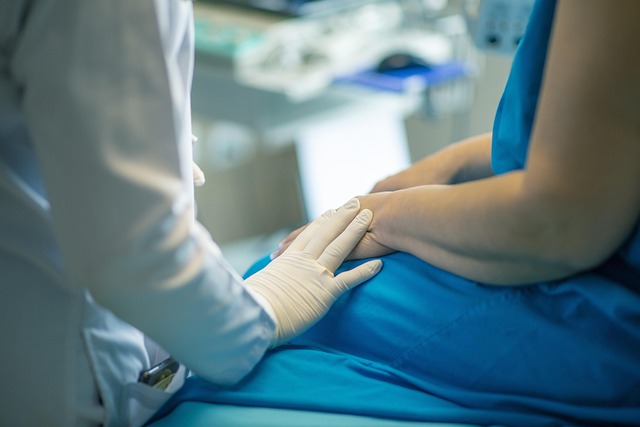
When it comes to over-the-counter wart removal, understanding efficacy and safety is paramount. While many options are available, not all treatments are created equal. It’s crucial to approach these products with a critical eye, considering both their potential benefits and risks. Studies have shown that certain active ingredients, like salicylic acid and podophyllotoxin, are effective in eliminating warts when used consistently according to manufacturer instructions. However, it’s important to note that these treatments may not be suitable for everyone, particularly those with sensitive skin or underlying health conditions.
A certified wart removal doctor naturally emphasizes the importance of proper application and adherence to usage guidelines. Over-the-counter options can be highly effective when used correctly, offering a more affordable alternative to clinical treatments. For instance, a study published in the British Journal of Dermatology found that salicylic acid was as successful as prescription-strength treatments for common warts in many cases. However, patience is key; results may take several weeks or even months to become apparent.
When choosing a wart removal treatment near you, whether Milton Keynes, Bristol, or Leeds, consider your personal needs and tolerance for irritation. Keep in mind that while these products are generally safe, they can cause side effects like redness, itching, or blistering if overused or misused. It’s recommended to consult with a healthcare professional if warts persist or show signs of infection. Regular monitoring is crucial during treatment to ensure the best outcomes and prevent complications.
Step-by-Step Guide: Applying and Monitoring Wart Removals

Removing warts at home is a common practice, but seeking guidance from a certified wart removal doctor naturally can ensure safety and efficacy. Here’s a step-by-step guide for applying and monitoring over-the-counter (OTC) wart removals, tailored to specific locations like Birmingham, Edinburgh, and Reading.
First, identify the type of wart you have. Common warts are typically rough or bumpy, while plantar warts can cause hard, painful lumps on the soles of your feet. For external warts, start by cleaning the affected area with mild soap and water. Dry thoroughly, as most OTC treatments require a dry surface for optimal absorption. Apply the chosen wart removal product according to the manufacturer’s instructions, focusing on the wart itself. Some popular options include salicylic acid, cryotherapy (freezing), and podophyllotoxin. For example, in Birmingham, many pharmacies stock a range of these products, allowing you to choose based on your comfort level with application.
Next, monitor the treated wart daily. If using salicylic acid, for instance, gently soften the wart with warm water before applying more cream. You may notice flaking or bleeding, which is normal. However, if severe pain, itching, or excessive redness occurs, discontinue use and consult a specialist, such as a private wart removal doctor in Reading. In Edinburgh, many healthcare professionals offer expert advice on suitable alternatives for those who prefer a more gentle approach. Regular monitoring is key; warts may take several weeks to disappear completely. Be patient, as rapid results are not guaranteed with OTC treatments.
Remember, while OTC options are readily available, professional guidance can be invaluable. A certified wart removal doctor naturally can offer tailored advice and address any concerns, ensuring the best possible outcome for your specific wart condition.
Preventing Recurrence: Post-Treatment Care Tips
Preventing Recurrence: Post-Treatment Care Tips
After undergoing any wart removal treatment, whether at a certified wart removal doctor naturally or through over-the-counter options, proper post-care is crucial to prevent reoccurrence. In many cases, warts return due to inadequate aftercare, so understanding this step is essential. For instance, in Glasgow, Cardiff, and Reading, where cosmetic wart removal services are readily available, patients often seek natural, non-invasive solutions. It’s recommended to keep the treated area clean and dry, avoiding harsh scrubs or chemicals that could irritate the skin. A gentle, pH-balanced cleanser is ideal for daily washing.
Additionally, applying a bandage or protective covering after treatment can shield the wart from physical contact and contamination. This measure is particularly important in public settings to prevent transmission to others. Patients should also be mindful of their immune system’s role in recovery. Adequate rest, proper nutrition, and staying hydrated support the body’s natural defense mechanisms, which are crucial for preventing future wart outbreaks. Moreover, avoiding direct sun exposure until the wart is fully healed reduces the risk of complications and enhances overall skin health.
Regular check-ups with a certified professional are also beneficial to monitor any signs of reoccurrence. They can provide tailored advice and recommend suitable treatments if needed. Remember, each individual’s skin responds differently to treatments, so adhering to post-care instructions and seeking expert guidance will significantly decrease the likelihood of warts returning.
After exploring various aspects of wart removal, from understanding wart causes and natural remedies to top over-the-counter treatments and professional guidance from a certified wart removal doctor naturally, it’s clear that effective management requires a multi-faceted approach. Key takeaways include the importance of identifying wart types for targeted treatment, the safety and efficacy of specific over-the-counter options, and the value of post-treatment care to prevent recurrence.
Certified wart removal doctors naturally play a crucial role in providing expert advice tailored to individual needs. While home remedies offer natural alternatives, professional guidance ensures safe and effective outcomes. Readers can now make informed decisions, choosing the right treatment based on their specific warts while understanding the steps for successful application and post-treatment care. This article equips individuals with the knowledge to tackle warts head-on, fostering confidence in managing this common skin concern.