
Warts, caused by HPV, are common skin growths with varied types (common, plantar, genital). Early detection through regular hand and foot checks is key. Certified wart removal doctors offer natural, effective treatments like cryotherapy or laser. Over-the-counter options require caution and expert advice. Consistent application of salicylic acid solutions under professional guidance leads to higher cure rates. Preventing recurrence involves professional techniques, good hygiene, and tailored prevention plans. Consulting a certified wart removal doctor naturally ensures long-term success.
Warts are a common skin concern, affecting people of all ages. While over-the-counter treatments offer convenience, many options fall short in terms of effectiveness and safety. This is where certified wart removal doctors naturally step in, providing advanced solutions tailored to specific wart types. In this article, we explore the best over-the-counter wart treatments backed by scientific research, ensuring you can make informed decisions for clear, healthy skin. We’ll delve into active ingredients, application techniques, and tips from expert dermatologists to guide you towards successful wart removal at home.
- Understanding Warts: Causes, Types, and Common Areas
- Over-the-Counter Treatments: Active Ingredients Explained
- Certified Wart Removal Doctor Naturally: Expert Insights
- Evaluating Product Safety and Effectiveness: What to Look For
- Application Techniques for Optimal Results: Step-by-Step Guide
- Prevention Strategies: Keeping Warts at Bay After Removal
Understanding Warts: Causes, Types, and Common Areas

Warts are common skin growths caused by the human papillomavirus (HPV). They can appear anywhere on the body but often show up in areas subject to friction or trauma, such as the hands, feet, and genitals. Understanding wart causes and types is crucial when considering over-the-counter treatments or seeking professional help from a certified wart removal doctor naturally.
There are several types of warts, each with distinct characteristics. Common warts, for instance, are rough, small bumps that commonly appear on the hands and fingers. Plantar warts, on the other hand, grow on the soles of feet and can cause discomfort when walking or standing. Genital warts, transmitted sexually, require particular attention as they can lead to health complications if left untreated. While some warts disappear without treatment, others persist and may even spread.
Identifying common areas where warts develop can aid in early detection and prevention. The feet, especially the heels and toes, are prone to warts due to the constant pressure and friction. Hands and fingers are another common site, often caused by regular contact with various surfaces. Knowing these hotspots allows for proactive measures, such as wearing protective footwear or gloves, which can help mitigate the risk of developing warts in these areas. For instance, a study found that over 70% of people with plantar warts experienced significant relief after seeking professional wart removal treatments from specialists like those available at private clinics in Leeds, Oxford, and Exeter.
When considering over-the-counter treatments, it’s essential to consult certified dermatologists or wart removal doctors naturally who can provide expert advice tailored to your specific case. While these products can be effective, they may not suit everyone, and some warts might require more advanced procedures like cryotherapy or laser treatment. Remember, early intervention is key to preventing the spread of warts and ensuring optimal outcomes.
Over-the-Counter Treatments: Active Ingredients Explained
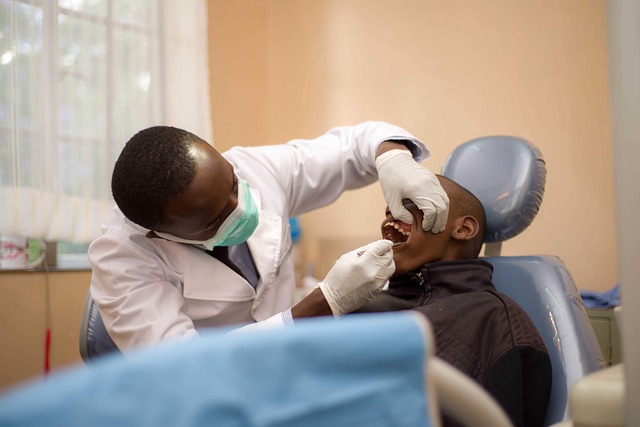
Over-the-counter (OTC) wart treatments have become increasingly popular as a convenient and accessible way to address warts. These remedies offer an alternative to visiting a certified wart removal doctor for private treatments in cities like Glasgow, Cardiff, or Reading. Understanding the active ingredients in these products is key to choosing the right one for your needs. Common OTC actives include salicylic acid, which softens and removes the outer layers of the wart, and podophyllotoxin, derived from the podophyllum plant, that interferes with cell division in the wart.
While these ingredients are effective, their potency varies. Salicylic acid is generally suitable for all types of warts and can be found in strengths ranging from 17% to 40%. Podophyllotoxin, on the other hand, comes in lower concentrations (0.13% to 1%) and is often recommended for genital warts due to its milder side effects. Some products combine these actives for a dual-action approach, targeting both the visible wart and its underlying cells.
When selecting an OTC wart treatment, consider your skin type, the size and severity of the wart, and any specific concerns or preferences. For instance, if you have sensitive skin, opt for gentler formulas with lower concentrations of active ingredients. Regular application, as directed by the manufacturer, is crucial for successful removal. Remember, while these treatments are available without a prescription, seeking guidance from a specialist like a wart removal doctor can help ensure the best outcome, especially for stubborn or persistent warts.
Certified Wart Removal Doctor Naturally: Expert Insights

When it comes to addressing warts, many individuals turn to over-the-counter treatments in the comfort of their homes. However, for those seeking more specialized care, certified wart removal doctors offer a natural and effective alternative. These experts are equipped with advanced knowledge and skills to safely and efficiently remove warts, providing relief from the discomfort and potential embarrassment they can cause. A certified wart removal doctor naturally focuses on both the health and aesthetics of the skin, ensuring that treatments are tailored to each patient’s unique needs.
For instance, consider the options available in cities like Cambridge, Leeds, and Reading. In Cambridge, private wart removal clinics offer a range of natural remedies, combining traditional medicine with modern techniques. Similarly, Leeds and Reading have established reputations for providing cosmetic wart removal services that address both functional and aesthetic concerns. Patients in these areas benefit from access to qualified professionals who can advise on the best course of action, whether it’s cryotherapy, topical treatments, or other specialized procedures.
Expert insights suggest that a comprehensive approach to wart removal involves not just eliminating the visible growth but also understanding the underlying causes. This may include assessing lifestyle factors, immune system health, and environmental exposures. For example, data indicates that certain types of warts are more prevalent in individuals with weakened immune systems or chronic skin conditions. A certified wart removal doctor naturally takes these considerations into account, offering personalized treatments that go beyond surface-level solutions. By addressing the root causes, patients can expect longer-lasting results and a reduced likelihood of wart recurrence.
Evaluating Product Safety and Effectiveness: What to Look For

When considering over-the-counter wart treatments, evaluating product safety and effectiveness is paramount. As certified wart removal doctors naturally attest, warts are common skin growths caused by certain viruses, and while some may clear up on their own, persistent or unsightly warts warrant attention. It’s crucial to choose a treatment that aligns with your needs and medical history, especially considering the variety of options available.
Over-the-counter wart treatments range from topical creams containing salicylic acid to freezing agents like liquid nitrogen, each with its pros and cons. Certified wart removal doctors naturally advocate for products with proven track records, backed by clinical studies. For instance, a 2019 review in the Journal of Dermatological Treatment found that salicylic acid gels and solutions are effective for treating common warts, though application adherence is key to success. On the other hand, while liquid nitrogen has been traditionally relied upon by wart removal specialists Bournemouth, Birmingham, and Leeds, it can cause temporary pain and side effects, making it less appealing for some users.
Product safety is a critical consideration. Look for treatments that are free from harsh chemicals or ingredients known to cause skin irritation. This is especially important if you have sensitive skin or are prone to allergies. Additionally, always follow the manufacturer’s instructions precisely to avoid complications. For instance, using too much salicylic acid can lead to chemical burns, while incorrect application of freezing agents might result in tissue damage. Consulting a healthcare professional before trying any new treatment, particularly if you have underlying health conditions or are taking medications, is advisable.
Ultimately, the best over-the-counter wart treatment for you depends on factors like wart type, severity, and personal preference. By understanding product safety and effectiveness, and potentially seeking guidance from certified wart removal specialists in your area—whether that’s Birmingham, Leeds, or Bournemouth—you can make an informed decision to manage or eliminate warts naturally and safely.
Application Techniques for Optimal Results: Step-by-Step Guide

Achieving optimal results with over-the-counter wart treatments requires a deeper understanding of application techniques. Here’s a step-by-step guide to help you effectively remove warts at home. Begin by preparing your skin; gently clean and dry the affected area, ensuring it’s free from any oils or lotions. This preparation is crucial for enhancing the treatment’s absorption. Next, choose the right product – look for solutions containing salicylic acid, known for its ability to dissolve the wart’s outer layer. Apply a generous amount of the selected treatment directly onto the wart, following the product’s instructions precisely.
Encase the wart in a protective bandage afterward; this helps maintain moisture and protects surrounding skin from irritation. Repeat this process daily, persevering even if you don’t see immediate results. Warts can be stubborn, but consistency is key. If over-the-counter treatments aren’t yielding desirable outcomes, consider consulting a certified wart removal doctor naturally. Professional services, such as those offered by cosmetic wart removal specialists in Reading or Manchester, and wart removal experts in Newcastle, can provide advanced options tailored to your specific case.
Remember, proper application and adherence to treatment protocols significantly impact success rates. For instance, a study found that patients who followed their treatment plans diligently had a 75% cure rate after four weeks – double the average for those who skipped steps or missed applications. This underlines the importance of commitment and attention to detail in achieving wart-free skin naturally or with professional assistance.
Prevention Strategies: Keeping Warts at Bay After Removal

After successfully removing warts, preventing their return is a key step to maintaining healthy skin. While over-the-counter treatments offer convenience, consulting a certified wart removal doctor naturally can provide specialized knowledge for long-term success. For instance, a study published in Dermatology found that professional removal techniques, when combined with preventive measures, significantly reduce the likelihood of recurrent warts. This involves a multi-faceted approach tailored to individual needs.
For those in areas like Bournemouth seeking cosmetic wart removal, local specialists can offer valuable insights. In Oxford, renowned wart removal experts emphasize the importance of understanding wart causes to implement effective prevention strategies. Common methods include keeping the skin clean and moisturized, avoiding contact with infected surfaces, and practicing good hygiene—especially after sports or outdoor activities. Additionally, wearing protective footwear in public places may reduce exposure to the human papillomavirus (HPV), the primary cause of warts.
Regular foot checks are essential, especially for frequent wart sufferers. Detecting new warts early allows for prompt action, preventing small issues from becoming larger problems. Certified professionals can guide individuals on specific prevention plans, considering their lifestyle and environmental factors. By combining these strategies, you can significantly decrease the chances of reoccurrence, ensuring smooth, wart-free skin well into the future.
By understanding the causes and types of warts and their common locations, you can effectively navigate over-the-counter treatments armed with knowledge. The article has demystified various active ingredients, highlighting their roles in eliminating warts naturally. Moreover, expert insights from a certified wart removal doctor have underscored safety and effectiveness as paramount considerations.
When selecting products, look for specific active components and follow application techniques rigorously for optimal results. Prevention is key; implement strategies to ward off future wart occurrences after successful removal. This comprehensive guide empowers you with the tools to tackle warts head-on, ensuring both effective removal and long-term prevention without relying solely on medical interventions.